
Contact Details

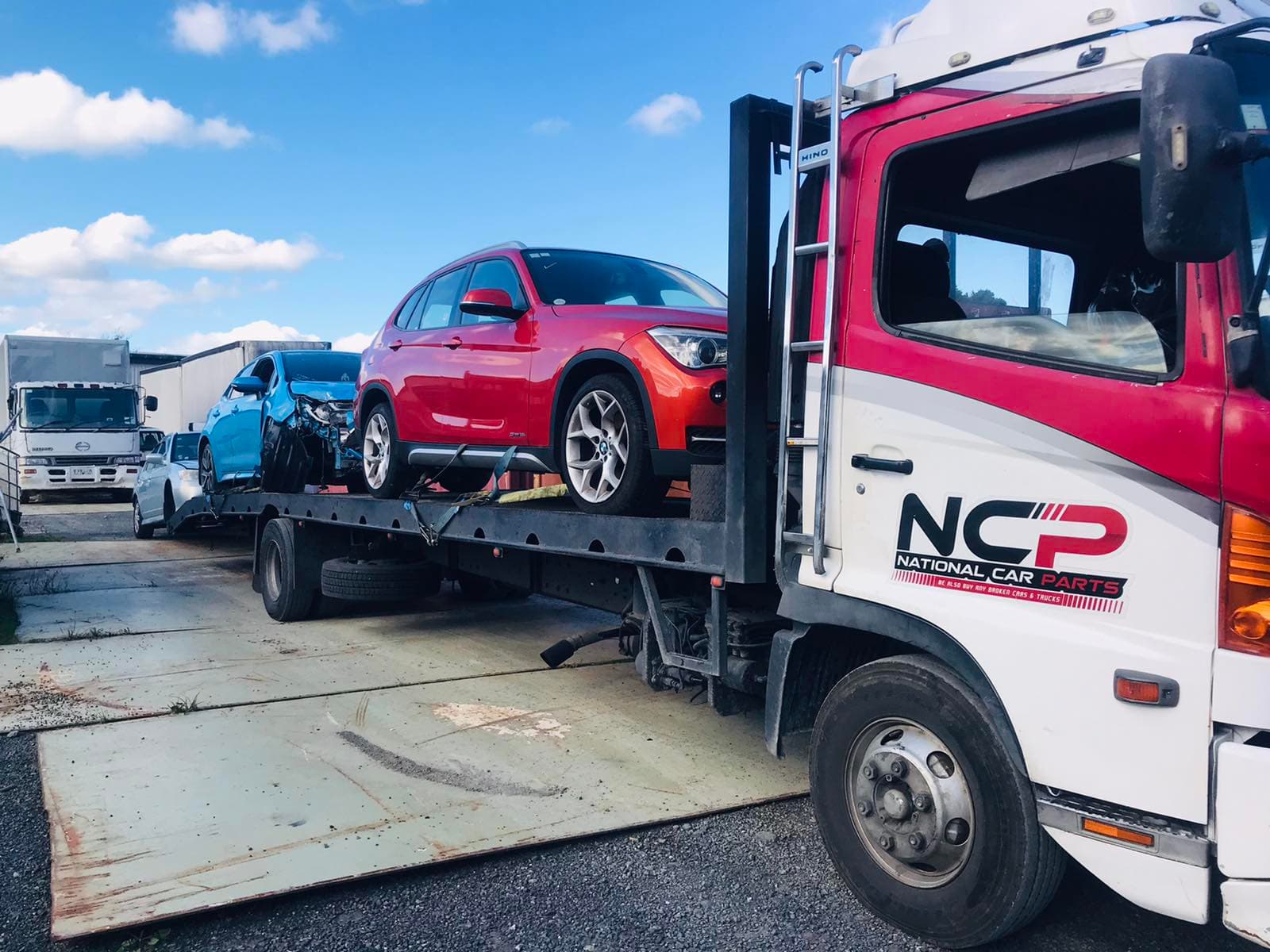
New Zealand sees thousands of vehicles reach the end of their time every year. Without the right disposal methods, these decommissioned vehicles can cause environmental and economic headaches.
This is where car wreckers come in, ensuring that end-of-life vehicles are quickly dismantled as per the law and bylaws.
Their expertise minimises automotive waste and contributes to sustainability by salvaging valuable materials and reducing the need for new raw resources.
Cars have many components that, if not handled properly, can harm the environment.
Fluids like engine oil, coolant and brake fluid can contaminate soil and water supply, while non-biodegradable materials like plastics and metals add to landfills. We follow strict procedures to mitigate these risks.
Fluids and hazardous materials
Vehicles often contain fluids and hazardous materials such as engine oil, coolant, brake fluid, transmission fluid, fuel, batteries and other hazardous automotive materials.
If these chemicals aren’t properly drained, they can leak into soil and water, which can harm the environment. Additionally, poorly disposed of vehicles release toxic gases and metals over time.
We ensure these dangerous fluids don’t seep into our ecosystems before the vehicle is dismantled further.
Extracting usable parts
After successfully handling fluids and dangerous materials, the vehicle is ready for parts salvaging.
Our experienced team extracts functional parts from vehicles, such as engines, transmissions, alternators, starter motors, body panels, lights, wheels, electrical components, and interior components.
These parts can have a second life instead of going straight to waste.
Recycling metals and materials
Once we’ve taken off every part that can be reused, the leftover vehicle still has value, so we don’t just dump it. We sort what’s left and send it to recycling plants.
This means the materials go back into production instead of being dug out of the ground again, and it cuts the carbon footprint that comes with mining and refining new metal.
Car wrecking involves more than just purchasing vehicles. It benefits various sectors by providing access to used parts, minimising environmental impact, easing recycling challenges, and reducing demand for raw materials.
This process also supports the economy by providing jobs. All these aspects are interconnected and contribute positively to different fields. Here are the benefits of car wrecking:
Making used parts available for the repair industry
Car wreckers are not simply scrap-metal businesses. They also act as suppliers of second-hand automotive components.
They provide an affordable option for those seeking parts, especially for individuals looking for hard-to-find items or for those who need assistance with complex repairs while sticking to a budget.
Reducing the environmental impact
We resell used tyres, batteries, engines, gearboxes, body panels, lights, suspension parts and interior components.
Instead of being scrapped, these parts get a second life in other vehicles, helping them stay in good shape and perform well on the road.
Every part we resell is one less item sent to landfill, and it also means less demand for new manufacturing, which saves raw materials, energy and emissions.
Reusing parts keeps useful components working for longer and cuts down on waste.
Reducing demand for new raw materials
When we recover parts and metals from vehicles, those materials stay in use instead of being thrown away.
Every engine, gearbox or panel we resell is one that doesn’t have to be manufactured from scratch, and every piece of metal we recover is metal that doesn’t need to be mined, melted down or processed again.
Making new parts takes a lot of raw materials, energy and water, so reusing what already exists cuts down on all of that.
In simple terms, we help vehicles stay on the road with parts that already exist, and that means less pressure on the earth’s resources.
Impact on the economy
Recycling vehicles helps not only the environment and vehicle owners, but also our local community.
One significant advantage is the creation of jobs in the dismantling sector. This process generates multiple employment opportunities for auto technicians, mechanics, inventory specialists, equipment operators, logistics personnel, parts sales representatives, recycling workers, transport and towing professionals, and more.
Yes, but it has to be done the right way. We follow NZ laws, including the Land Transport Act (sales must be reported to NZTA), the Resource Management Act (no fluids into soil or waterways), the Hazardous Substances and New Organisms Act, the Health and Safety at Work Act, and local council bylaws.
We keep end-of-life vehicles out of landfill by safely draining hazardous fluids, salvaging usable parts and sending metals and materials to recyclers.
Contact our team to arrange vehicle recycling.
Fill out the form below
About the Author
Manpreet Kaur
Office AssistantManpreet works as an Office Assistant. She began her professional journey with National Car Parts, where she has developed a solid understanding of the automotive and customer service sectors. With a...
