
Contact Details

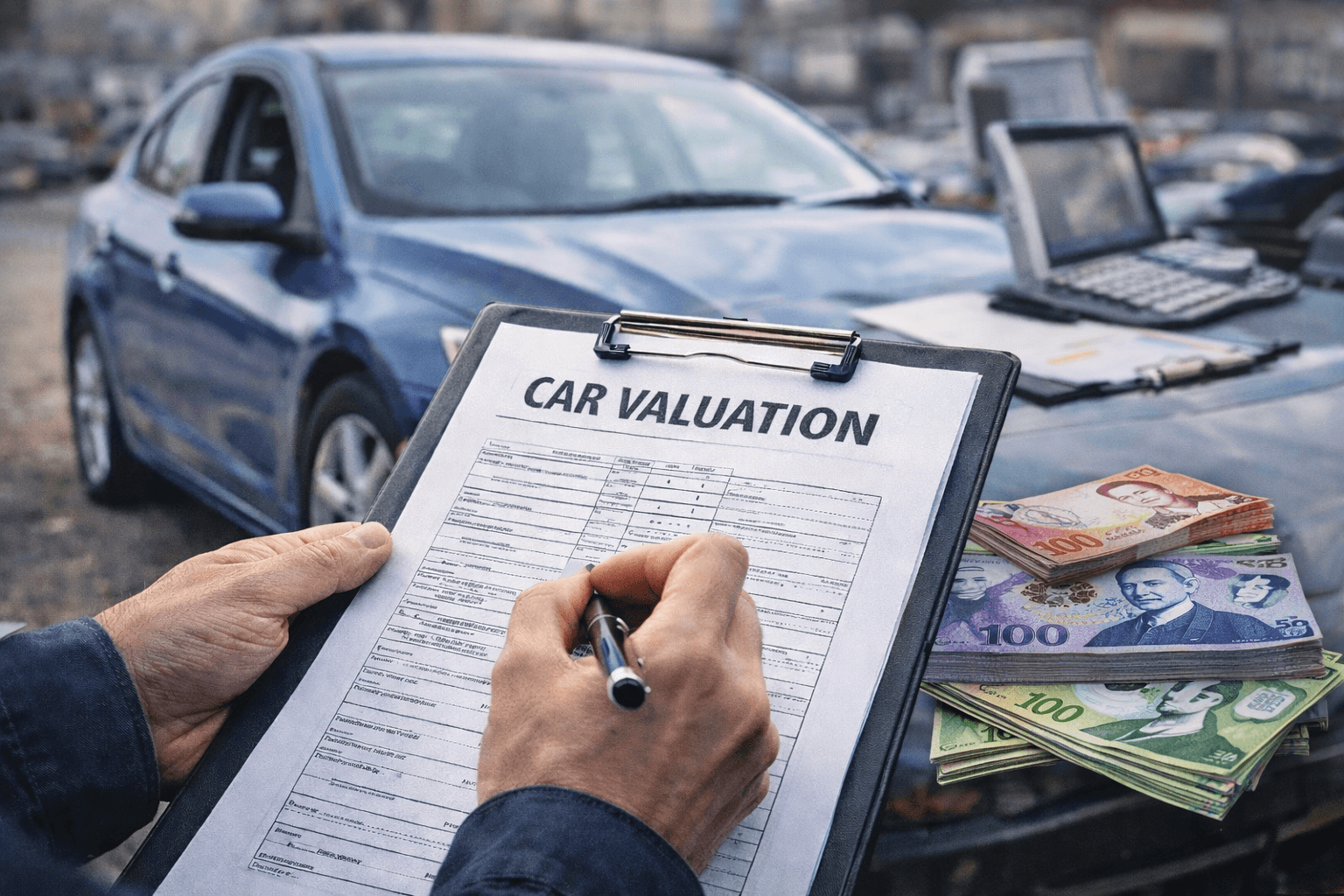
Every car eventually reaches the end of its useful life for several reasons. This might be due to the vehicle being old and prone to breaking down, suffering accident damage, or simply becoming unwanted. Many car owners in New Zealand face this situation and wonder, “What is the salvage value of my car?” This situation is quite a common concern. Today, we will explore the concept of salvage value, explain what it means, how it can be calculated, and the difference between salvage and market value. Additionally, we will discuss how you can get the best value for your salvage car.
The salvage value of a car is the amount your vehicle is worth when it is no longer considered roadworthy or economical to repair.
In simple words, it is the value of:
Salvage value usually comes when:
Even if your car cannot be driven, it still contains valuable materials and parts. And the value of these materials and parts is considered in salvage value.
Almost every vehicle has some salvage value, whether it’s a small hatchback, van, SUV, truck, or ute. In New Zealand, salvage is very common, with metal recycling and dismantling being common. Your car is considered salvage if it has:
Even if the car is no longer running, it still has salvage value due to the high demand for parts, which can be reused or recycled.
The salvage value of a car can be calculated based on several factors. Here are some of the most important factors:
The salvage price can fluctuate depending on the metal market price.
Many people get confused by these two terms: salvage value and market value.
Market value: Market value refers to the worth of a car in the market, which means your car would sell in the market if it’s in good working condition. This is generally a price you would get from a private sale.
Salvage value: On the other hand, salvage value applies when the vehicle is in poor condition, written off, or no longer practical to repair. Generally, salvage value is slightly lower than market value.
Let’s understand it with an example:
| Market Value | Salvage Value |
|---|---|
| A running car can be sold privately | Damaged car sold to wreckers or recyclers |
| Sold privately to individual buyers | Sold to wreckers or auto recyclers |
| Usually, a higher price | Lower price, but immediate cash |
| Requires advertising and negotiations | Quick and hassle-free process |
| Buyer expects the roadworthy condition | The vehicle can be damaged or non-running |
If you want to maximise the price for your car, consider these tips:
By following these simple tips seriously, you can increase the value from a few hundred to thousands of dollars.
Do you have broken and damaged vehicle? We buy them and pay up to $15000 for it. Get a quote now.
Fill out the form below
Of course, you can sell your car for salvage, regardless of its condition, whether it’s non-running, damaged, or in any other state.
Yes, a car without a WOF (Warrant of Fitness) or registration still has value.
Yes. To sell your vehicle, you must provide proof of ownership or evidence of the owner’s consent to sell the vehicle under their name.
Yes, you can sell a vehicle in any condition, including a written-off one.
About the Author
Manpreet Kaur
Office AssistantManpreet works as an Office Assistant. She began her professional journey with National Car Removal & Car Parts, where she has developed a solid understanding of the automotive and customer service sectors. With a background in digital marketing, Manpreet brings valuable skills in strategy, communication, and online engagement, helping the organisation effectively connect with its customers. She is passionate about ensuring customers receive clear, helpful information and a positive service experience. In addition to her operational role, Manpreet enjoys writing informative content that educates customers and supports the business’s online presence. Her enthusiasm for learning and contributing meaningfully to the organization continues to drive her professional growth.