

Contact Details

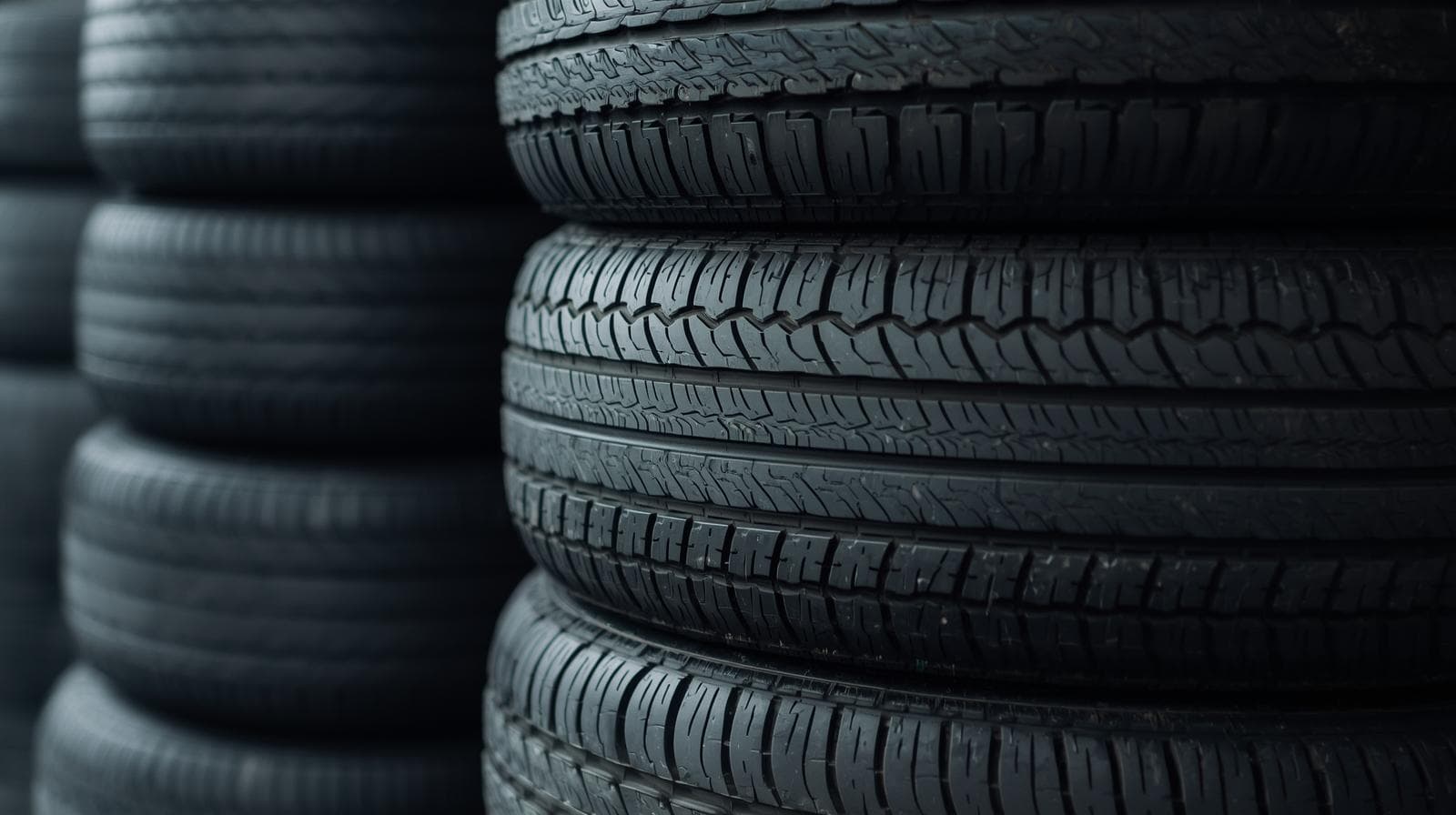
Tyres are the most critical component for every vehicle. Regular checks of tyres are important and can help prevent any mishaps. When it comes to replacement, new tyres can be expensive, which is a concern for budget-conscious buyers. Used tyres are a popular and economical alternative. While you can buy second-hand tyres, it’s essential to check their quality before making a purchase. In this guide, we will learn how to assess and select quality tyres, what to look for, and how to ensure road safety.
There are several reasons individuals might choose to buy used tyres:
Cost savings – New tyres are an expensive option, particularly for those with larger vehicles. Used tyres are the most affordable option for every person.
Temporary use – Some people need a temporary replacement. Whether one of their tyres is damaged or they need a spare for the change in season, used tyres can fill that gap.
Environmental responsibility – Using a used tyre is not only a cost-effective option, but it is also beneficial for the environment. Used tyres produce less waste compared to new tyres. Using a used tyre is a sustainable and cost-effective choice!
Not all used tyres are safe or reliable. Buyers should be careful and well-informed before buying used tyres.
When considering used tyres, you want to think of these things when inspecting a used tyre:
1. Tyre tread depth – The tread depth is the most critical safety component for a tyre. New Zealand requires a minimum tread depth of 1.5 mm in legal obligations. Experts recommend replacing tyres at 3 mm for optimal safety.
You can check a tread depth using a gauge or a simple coin test. If you notice uneven wear, it may indicate alignment or suspension issues with the vehicle.
2. Examine the Damage: Examine the sidewalls and tread for any signs of cracks, bulges, cuts, or punctures. Avoid tyres that show signs of dry rot as they could fail at any time. Be careful when inspecting the shoulder of the tyre and the inner walls, as the damage in these areas is not always visible.
3. Look at Tyre Age: Tyres usually have a life expectancy of 6-10 years regardless of the state of the tread. Check the sidewall of the tyre for the DOT code, which indicates when the tyre was manufactured. The last four digits correspond with the week and year of manufacture (for example, 2319 means the 23rd week of 2019). Avoid tyres that are over the age of six years, particularly if they have been heavily used or abused.
4. Ensure Tyre Type and Size: Always ensure that the used tyres you purchase match the specifications required by your vehicle. They should correspond in terms of width, aspect ratio, and rim diameter. Additionally, the tyres must have the same speed rating and load capacity as your vehicle requires. Mixing improperly matched tyres can create risks to your vehicle’s handling and safety.
5. Buy from a Reliable Source: When purchasing used tyres, you should always ensure you are purchasing from a reputable seller. They often inspect the tyres before selling them. You can buy from car wreckers, as they have every vehicle part in excellent condition at very reasonable prices. Parts are often salvaged from wrecked vehicles that were still in good condition. By choosing these sources, you can ensure a better product.
Here are the pros and cons of used tyres.
Advantages:
Cost Savings: Buying used tyres can substantially save your money.
Eco-Friendly: Good for the environment, as they reduce their footprint through material reuse.
Availability: Pre-owned tyres can be a valuable resource for unique or discontinued tyres that are still deemed roadworthy.
Disadvantages:
Shorter Lifespan: Pre-owned tyres already have a past in terms of wear, which can affect their remaining life.
Possible Safety Issues: Tyres that show damage or were not stored properly can fail while in operation.
Limited Warranty: Most used tyres will not come with a warranty from the manufacturer.
With proper care, even a used tyre has the potential for longevity:
Check Inflation Pressure Frequently: Tyres that are under- or over-inflated will wear unevenly, and worsened conditions may lead to failure.
Rotate Tyres: Regularly rotating your tyres every 5,000-10,000 km will allow for even wear.
Follow Load Limits: Ensure the load limit indicated on the safety markings of your tyre is not exceeded to prevent damage and dangerous consequences.
Look for Damage: Periodically check for signs of damage such as visible cracks, bulges, or punctures.
Storage: If storing spare tyres, whether they are in use or not, limit exposure to the sun or heat to avoid premature aging.
Even if a used tyre looks fine, it should be replaced if:
Fill out the form to request a part from us today.
Fill out the form below
Used tyres can be safe if they are carefully inspected for tread depth, age, damage, and proper size. Avoid tyres with cracks, bulges, or signs of dry rot. Always buy from reputable sources to ensure reliability.
Look for the DOT code on the tyre’s sidewall. The last four digits indicate the week and year of manufacture. For example, a code “2319” means the tyre was made in week 23 of 2019. Tyres older than 6 years can be less safe, even if the tread looks fine.
The legal minimum tread depth in NZ is 1.5 mm. However, for safety, it’s recommended to replace tyres when the tread reaches 3 mm, especially in wet conditions.
It’s generally not recommended to mix old and new tyres on the same axle, as this can affect handling and braking performance. If you must mix, ensure the tyres have similar tread depths, types, and performance ratings.
The lifespan depends on tread remaining, age, and previous use. On average, used tyres in good condition last 1–3 years, depending on driving habits and road conditions. Regular maintenance can extend their lifespan.
About the Author
Chris Rahimi
Director / Parts ExpertChris Rahimi is one of the directors of the company and a highly experienced auto parts expert with extensive knowledge of a wide range of vehicle components. With years of hands-on experience in the automotive parts industry, Chris specialises in identifying, sourcing, and supplying quality used and recycled auto parts for various makes and models, especially for 4x4 parts. His expertise helps customers find the right parts quickly while ensuring reliability and value. Chris is passionate about delivering excellent service and helping customers keep their vehicles running smoothly.