

Contact Details

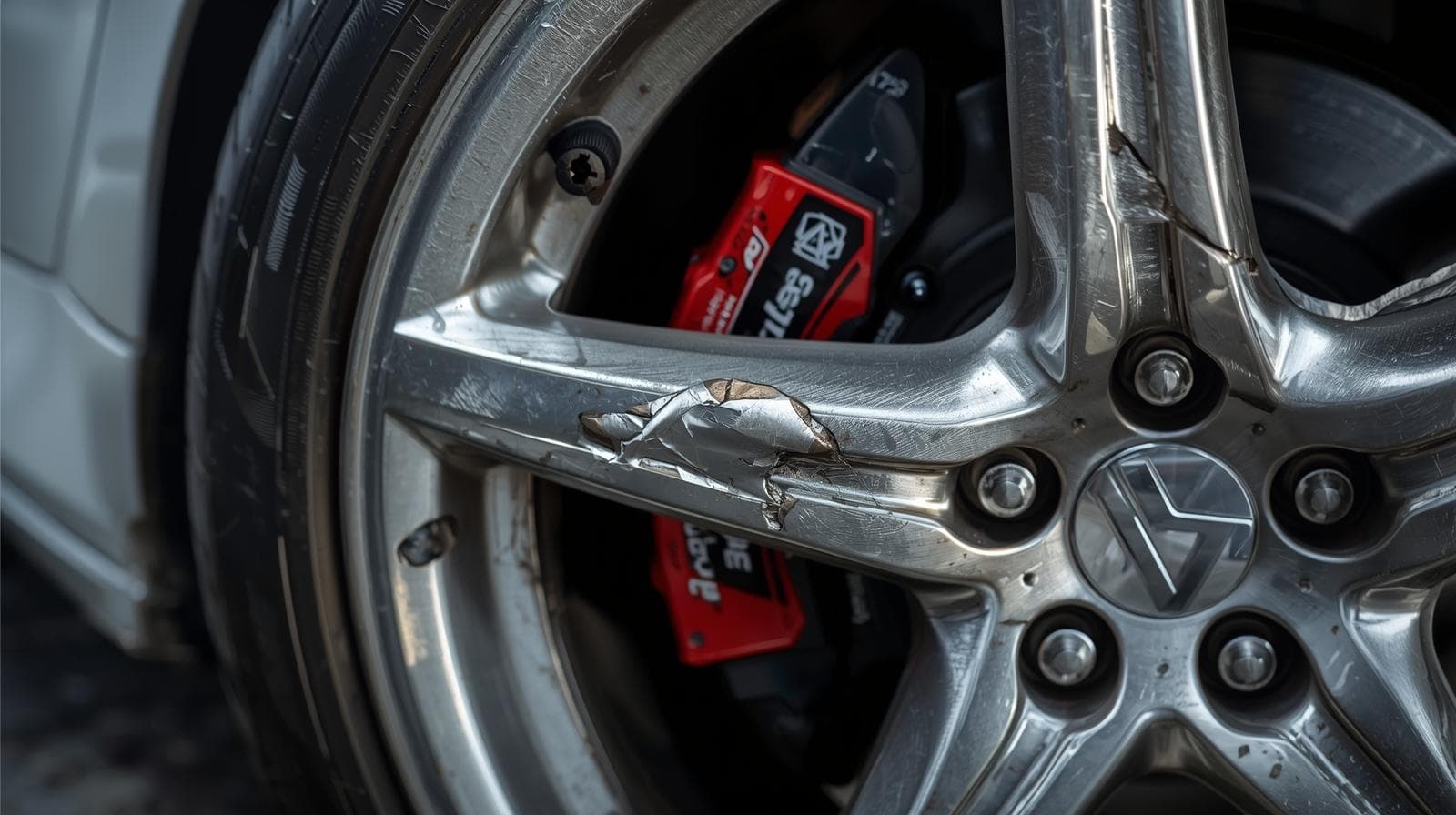
Car maintenance is essential for safety and better vehicle performance. Always took time to inspect the vehicle’s condition weekly, especially the engine, brakes, lights, and wheels (rims). Damaged or worn-out rims can reduce your car’s safety, performance, and market value, affect your driving comfort, be unsafe, and reduce tyre life.
In this guide, we will briefly learn the common causes, signs, and tips to prevent rim damage.
Rim or wheel damage can occur in various ways; understanding the causes can help you avoid unnecessary wear.
1. Collisions: Minor accidents or major crashes can significantly damage your rim. Even a minor accident can bend or crack the rim structure. If your vehicle is involved in a collision, a rim inspection is necessary.
2. Corrosions or dust: Rims exposed to dirt, brake dust, road salt, moisture, and chemicals. Over time, these elements cause:
3. Normal wear and tear: Even if you drive carefully, rims naturally wear down over time. Constant driving on road debris, temperature changes, and repetitive stress gradually weaken the rim material.
4. Hitting potholes or curbs: This is one of the most common reasons for rim damage. This can lead to:
Avoiding potholes isn’t always possible, especially on poorly maintained roads, so regular checks are essential.
5. Improper tyre installation: Incorrect or improper tyre installation can also cause rim damage. Always get tyres installed by a certified professional or mechanic.
6. Aggressive driving: High speed, sharp turns, and hard braking put extra stress on your wheels.
7. Overloading the vehicle: Exceeding the weight limit can put extra pressure on your wheels, causing them to bend.
Damaged or worn-out rims can give you signs, and spotting them early can prevent further issues. Look out for the following warning signs:
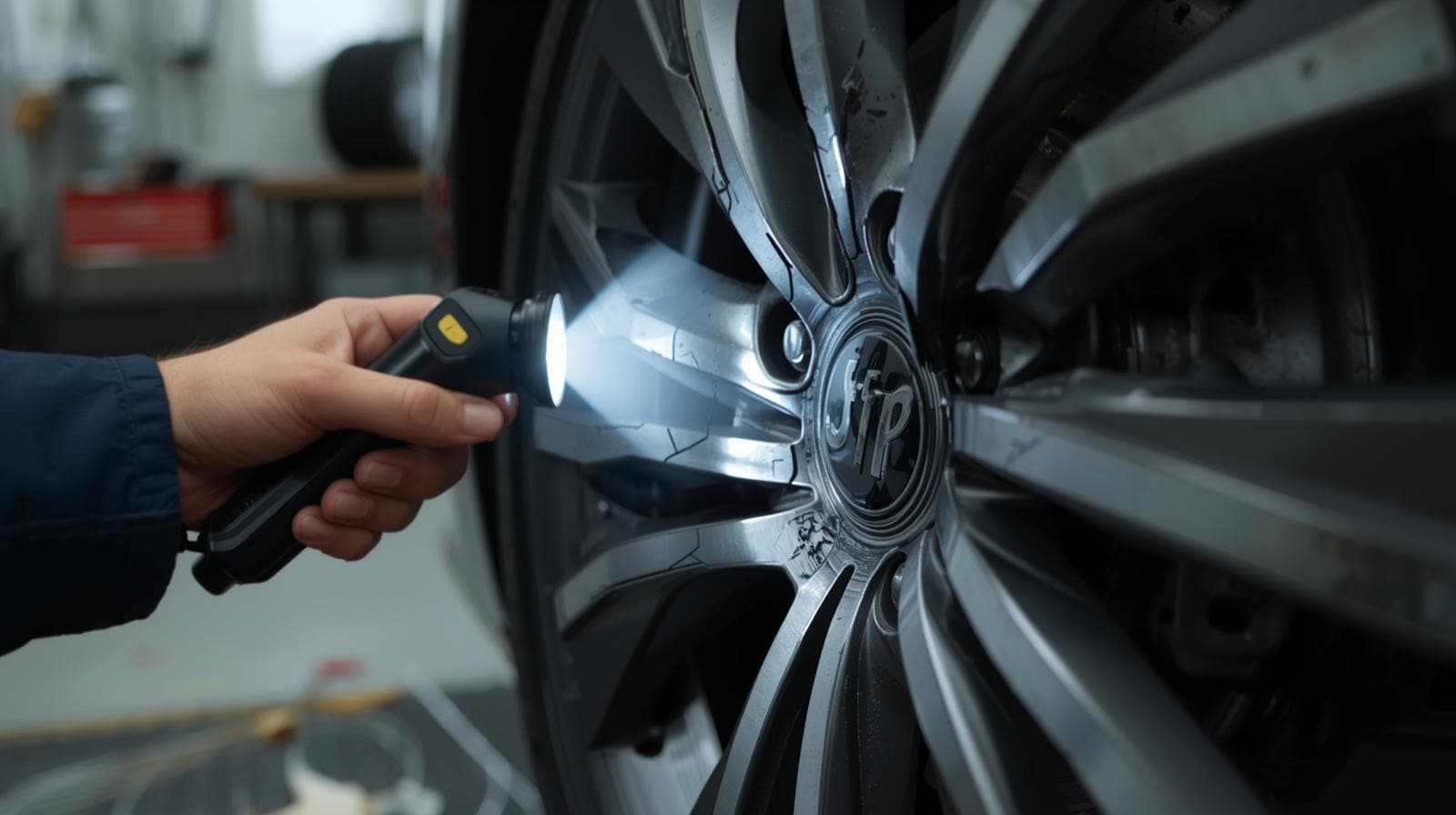
You can do a basic inspection by yourself; you don’t need to be a mechanic. Here’s how:
Visual inspection
Feel the surface: Run your hand along the rim’s edge to detect rough spots, chips, or deformities. (Ensure your tyre is cool before touching.)
Spin test: If you can lift the car using a jack:
Check for air leaks: Pour water around the rim edges. If bubbles appear, air is escaping because of cracks or poor sealing.
Professional inspection: For thorough testing, a mechanic can:
Driving with damaged rims can lead to serious accidents and can be costly. Risks include:
Unsure whether to repair or replace? Here are points to consider for each option.
When To Repair?
A wheel repair specialist can repair these issues at an affordable price.
When To Replace?
In these cases, repair is not safe and sufficient; replacement is the long-term solution. You can buy replacement rims from a car wreckers; they always have a variety of rims at affordable prices without compromising quality. Compared to purchasing a brand-new one, this option is more cost-effective.
By following these simple tips, you can give your wheel a long life.
Damaged or worn-out rims shouldn’t be ignored. By understanding the common causes, promptly checking for signs, taking action, and maintaining regular inspections, you can ensure your vehicle stays safe and roadworthy for a long time. When replacement is necessary, used parts store offer affordable, reliable options for finding quality rims without breaking the bank.
Do you have broken and damaged vehicle? We buy them and pay up to $15000 for it. Get a quote now.
Fill out the form below
About the Author
Manpreet Kaur
Office AssistantManpreet works as an Office Assistant. She began her professional journey with National Car Removal & Car Parts, where she has developed a solid understanding of the automotive and customer service sectors. With a background in digital marketing, Manpreet brings valuable skills in strategy, communication, and online engagement, helping the organisation effectively connect with its customers. She is passionate about ensuring customers receive clear, helpful information and a positive service experience. In addition to her operational role, Manpreet enjoys writing informative content that educates customers and supports the business’s online presence. Her enthusiasm for learning and contributing meaningfully to the organization continues to drive her professional growth.