

Contact Details
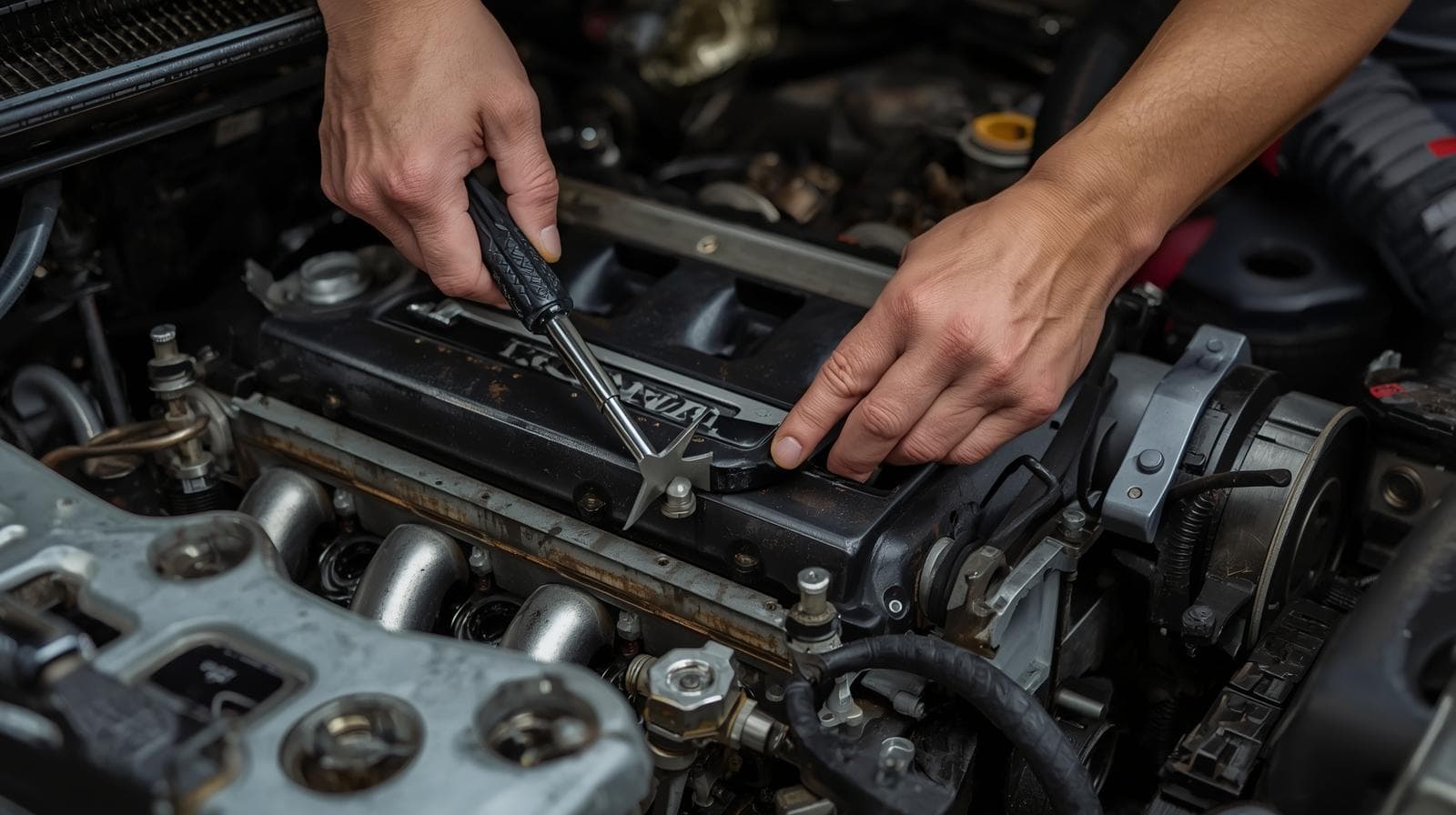
The Honda Civic is the most popular hatchback, known for versatile performance, eye-catching design, and practicality. Like every other vehicle, maintenance and repair are equally important to keep the car in top condition. Many Civic owners want to save money and time on repairs, and DIY repairs are an interesting option for them. Furthermore, new parts for your Honda Civic can be expensive; you can consider used ones to save more money. Put on your DIY hat and grab your toolbox, because we’re about to save money on repairs by using used parts. In this guide, we will learn the most common repair parts for Honda Civics that you can perform at home and discuss why these repairs are worthwhile.
DIY repairs on your Honda Civic are a rewarding and cost-saving option. One of the biggest advantages is the money that you will save. Additionally, the parts you use from salvage yards are much cheaper than buying new from dealerships. Engaging in DIY repairs gives you the opportunity to learn more about your vehicle. By doing so, you can save your vehicle and prevent bigger problems down the line. For instance, if you’re replacing a standard battery, then the cost is typically around $400 (price depends on battery brand)+ $50 for labor and fitting costs. If you choose to DIY, you can expect to spend around $150 to $200 (depending on the battery brand). By opting to replace the battery yourself, you could save approximately $250.
Before moving forward with any DIY repairs, it’s important to have the right tools in your hand. You can find DIY car tools at auto parts stores such as Supercheap Auto, general hardware stores, and online marketplaces like Amazon, where you can find unique kits. Basic tools like screwdrivers, pliers, adjustable wrenches, and socket sets will cover the essentials. A sturdy jack stand is important for safely lifting your car. Safety equipment like gloves, protective eyewear, and a flashlight makes working easier and safer to protect. Having these tools ready not only makes repairs easier but also reduces the risk of mistakes and keeps you safe.
a) Engine oil and filters
One of the simplest and most common DIY tasks is changing the engine oil and filters. Regular oil changes keep your engine running smoothly.
The process is:
b) Brake pads and rotors
Another popular repair is brake pads and rotors. You can easily replace worn brake pads or rotors yourself.
The process is:
c) Batteries
If your civic struggles to start, then the battery issue could be the reason. Replacing your battery with a quality used or recycled battery can save you money. You can install a battery easily at home. Make sure to wear safety gloves and googles, and also keep the car off.
The process is:
d) Headlights & taillights
Headlights or taillights are often easy to replace. While these bulbs don’t require frequent repairs, when they stop working, it’s your responsibility to change them. Failing to do so can be risky, as it affects visibility at night and can also result in a ticket if law enforcement notices it. Fortunately, changing headlights bulbs is very easy; you can do it yourself with little knowledge.
The process is:
e) Wiper blades
Wiper blades are essential for keeping the windscreen clear. If your wipers are old and worn out, poor visibility can be a serious issue, especially on rainy days. It is important to change them as soon as possible for your safety and others‘ on the road. You can easily find replacement wiper blades at salvage yards, and they can be replaced at home with minimal effort.
The process is:
The success of your repair heavily depends on the quality of the part you choose. Selecting the right part is the key to any repair. Sourcing from a reliable buyer is most important; you can consider buying from car wreckers. They offer a variety of salvaged parts that have been checked and inspected by the experienced team. By purchasing used parts, you not only save money but also help the environment by reducing the demand for new raw materials.
Safety should always be a priority. Don’t forget to wear safety gloves and protective eyewear before starting. Always consult your Honda Civic manual before beginning any work. If a repair feels too difficult, it’s better to get help from a professional or mechanic. Keeping records of the parts you use and the repairs you complete can also help you with future maintenance. With careful planning and quality components, DIY repairs can be safe, effective, and rewarding.
Fill out the form to request a part from us today.
Fill out the form below